About Project
NATIVE PEP PROJECT
Drylands cover more than 40% of the world’s land surface and are home to more than two billion people. These areas, and the people, plants and animals that live in them, are predicted to face unprecedented threats due to climate change. According to the UN Decade on Ecosystem Restoration, halting and reversing the degradation of ecosystems is fundamental for reducing poverty, preventing mass extinction of Flora and Fauna, and combatting climate change. The healthier the ecosystems, the healthier the people and the animals. Degradation of grasslands and forests is widespread in tropical arid and semi-arid regions of the world. Sub-Saharan Africa (SSA) belongs to those regions with high levels of environmental degradation.
To strengthen a holistic and sustainable land use approach, localy adapted plants are also evaluated and promoted for animal feed, human nutrition, medical use, or other purposes. The project is also intended to demonstratably benefit the poorest population and the partiularly vulnerable environment. The project NATIVE PEP aims to Strenghthen livelihood security and environmental health in selected regions in Kenya and Tanzania affected by rangeland degradation, deforestation, and invasive alien trees. For this purpose, we aim to promote, together with relevant comunity forests in areas targeted for implementation of the sustainable management of the invasive prosopis juliflora: Baringo and Isiolo Counties in Kenya, and areas south/southwest of mt Kilimanjaro in Tanzania.
Projects
Projects under FCP
Improving rural livelihoods in East Africa by selecting and using native plants for land regeneration and community forests within a holistic and sustainable land use approach
To strengthen livelihood security and environmental health in selected regions in Kenya and Tanzania affected by rangeland degradation, deforestation, and invasive alien trees.

Partners
Implementing Partners


Best charity foundation
Our Journey
Our History
Areas of Intervention
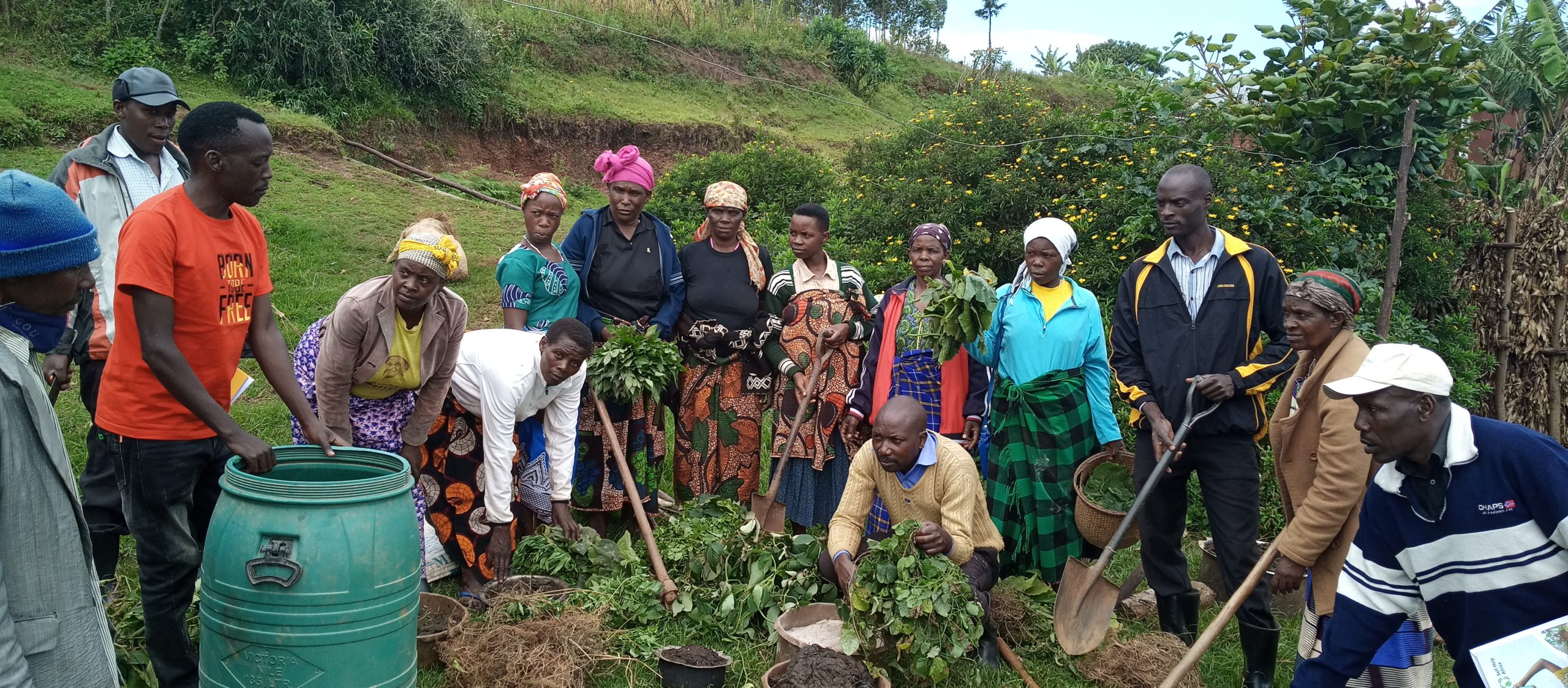
The Native Plants for Environment and People project interventions are categorized into four main intervention areas (work packages) with specific activities.
- Collect and share knowledge on native plant species.
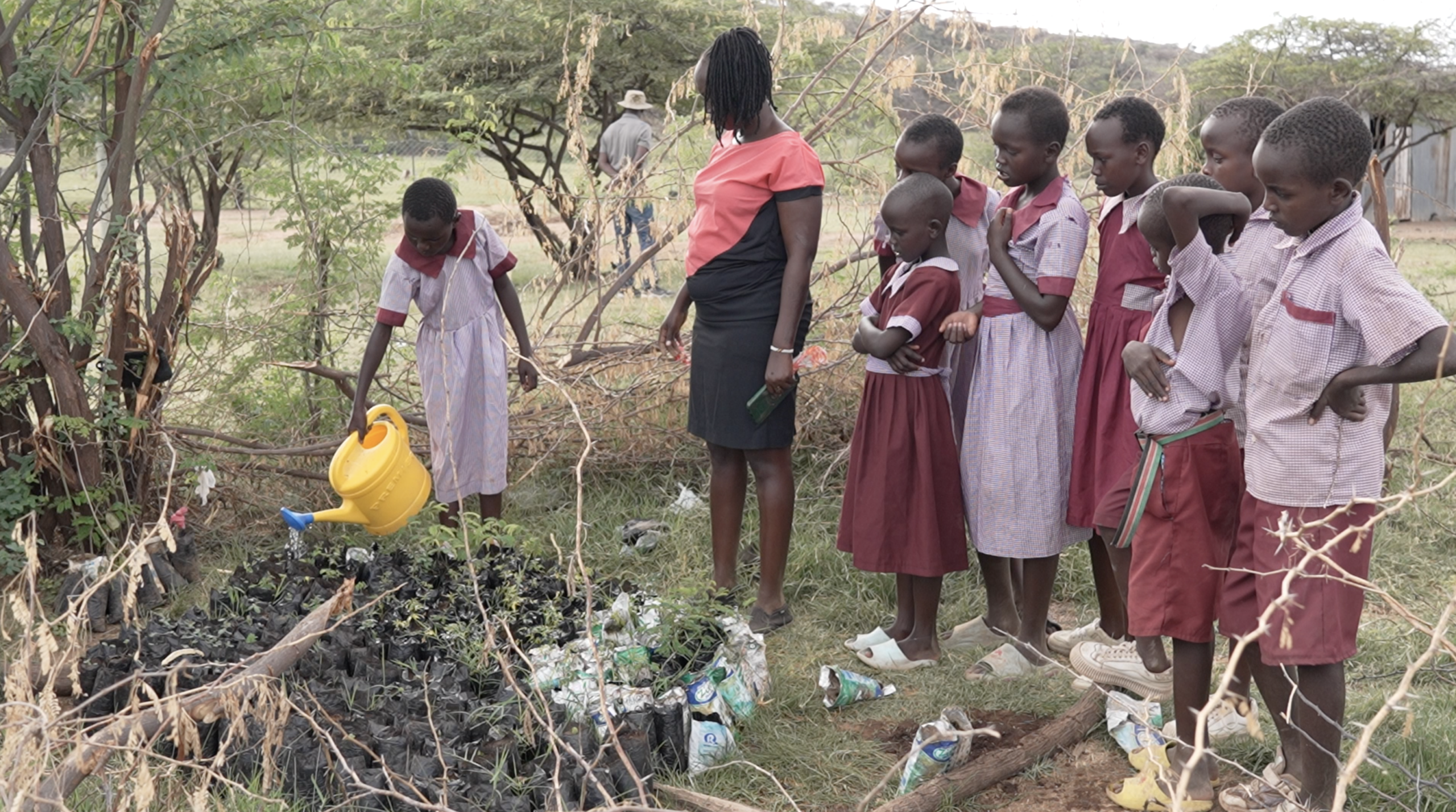
- Real-life demonstrations and awareness raising.
- Capacity building and implementation support.
- Monitoring and evaluation and proof of business concept.
Key Results
These activities will result to enhancing livelihood security of ASALs by:
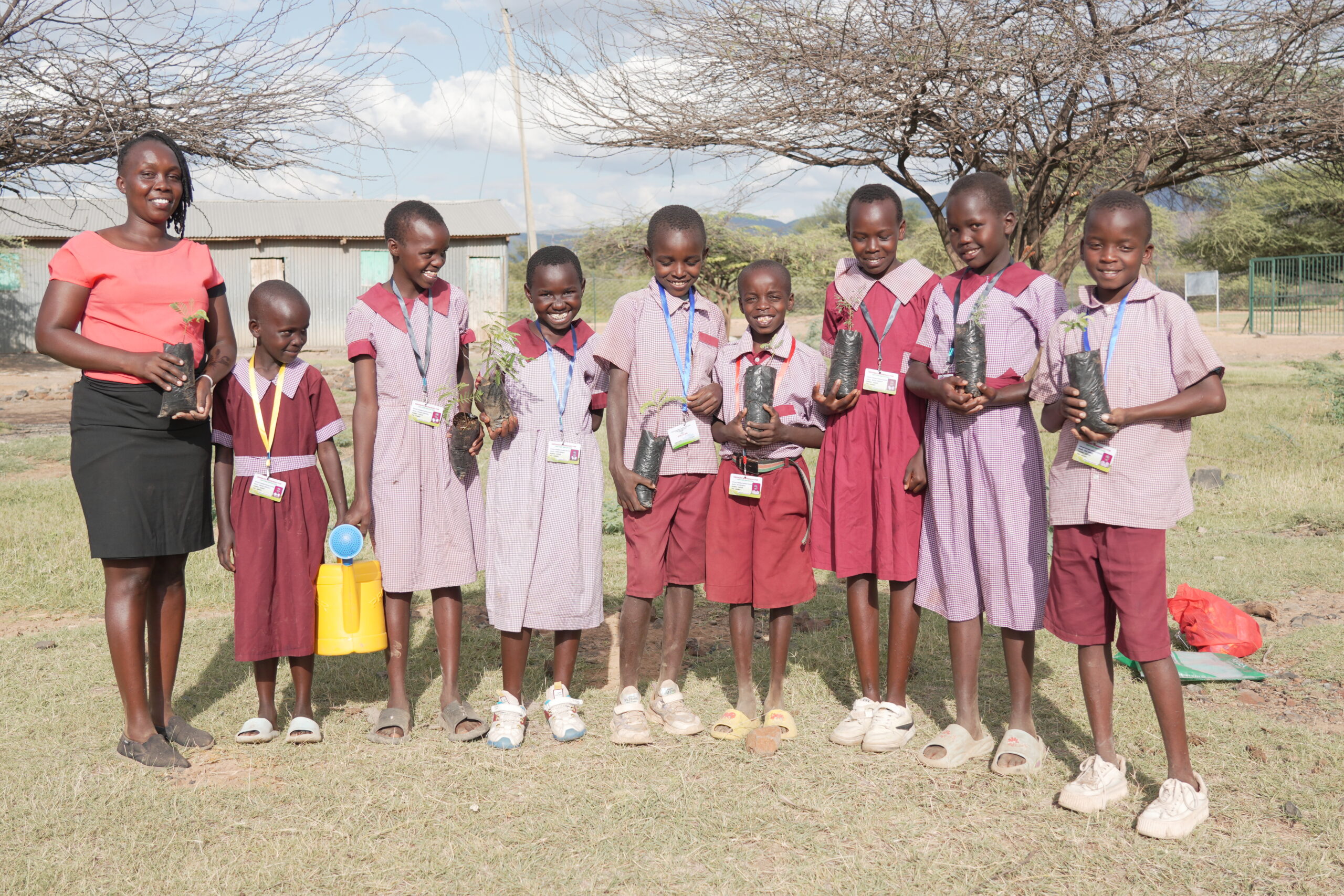
- Restore degraded land with a diverse species of locally adapted plant species.
- Providing feeds for livestock.
Reduce soil erosion.
- Improve nutrition for the communities.
- Provide sources of income.
Plant Microclimate.
Key Locations in Kenya
Baringo County (central parts of the county except Kerio River Valley and northern parts of Tiaty Subcounty).
Isiolo County, including bordering regions in Laikipia, Meru, Samburu and Marsabit Counties.
Key Locations in Tanzania
Northern Tanzania in Arusha Region and adjacent areas in Kilimanjaro (Hai District) and Manyara Regions (Simanjiro District), mainly covering a belt from Lake Manyara to Arusha and Moshi (Kilimanjaro Region).