Project
The LDF Project
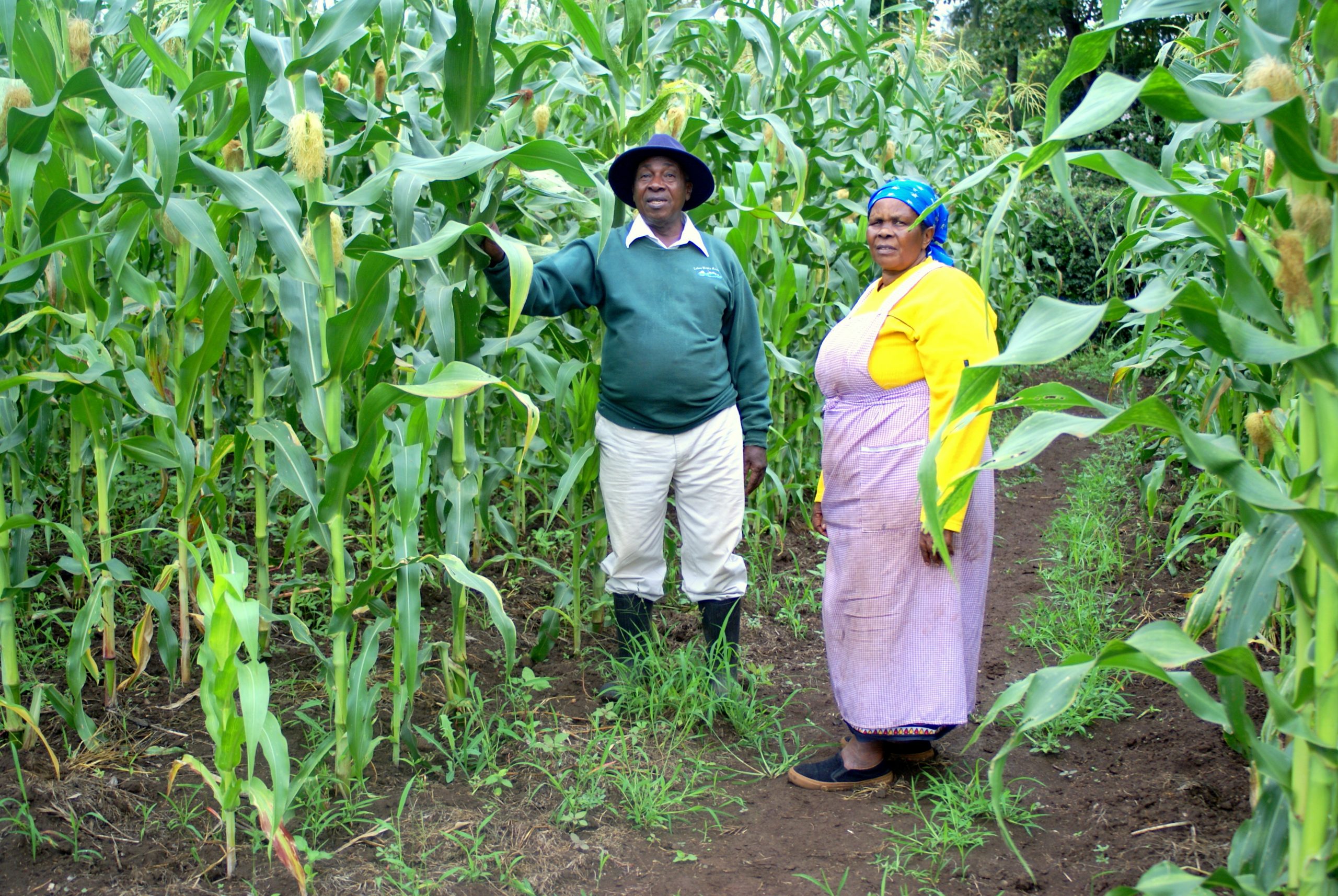
Food insecurity and poor nutrition continue to affect many Kenyans, particularly rural smallholder farming communities. According to the 2022 Kenya Food Security Steering Group (KFSSG) report, approximately 1.6 million people are food insecure, with 2 out of 5 households experiencing food shortages. Climate change, land degradation, limited access to agricultural resources, and low adoption of productive farming practices continue to worsen the situation. This project promotes agroecological farming practices to improve food and nutrition security, strengthen market access for smallholder farmers, especially women and youth, and enhance rural livelihoods through active market engagement.
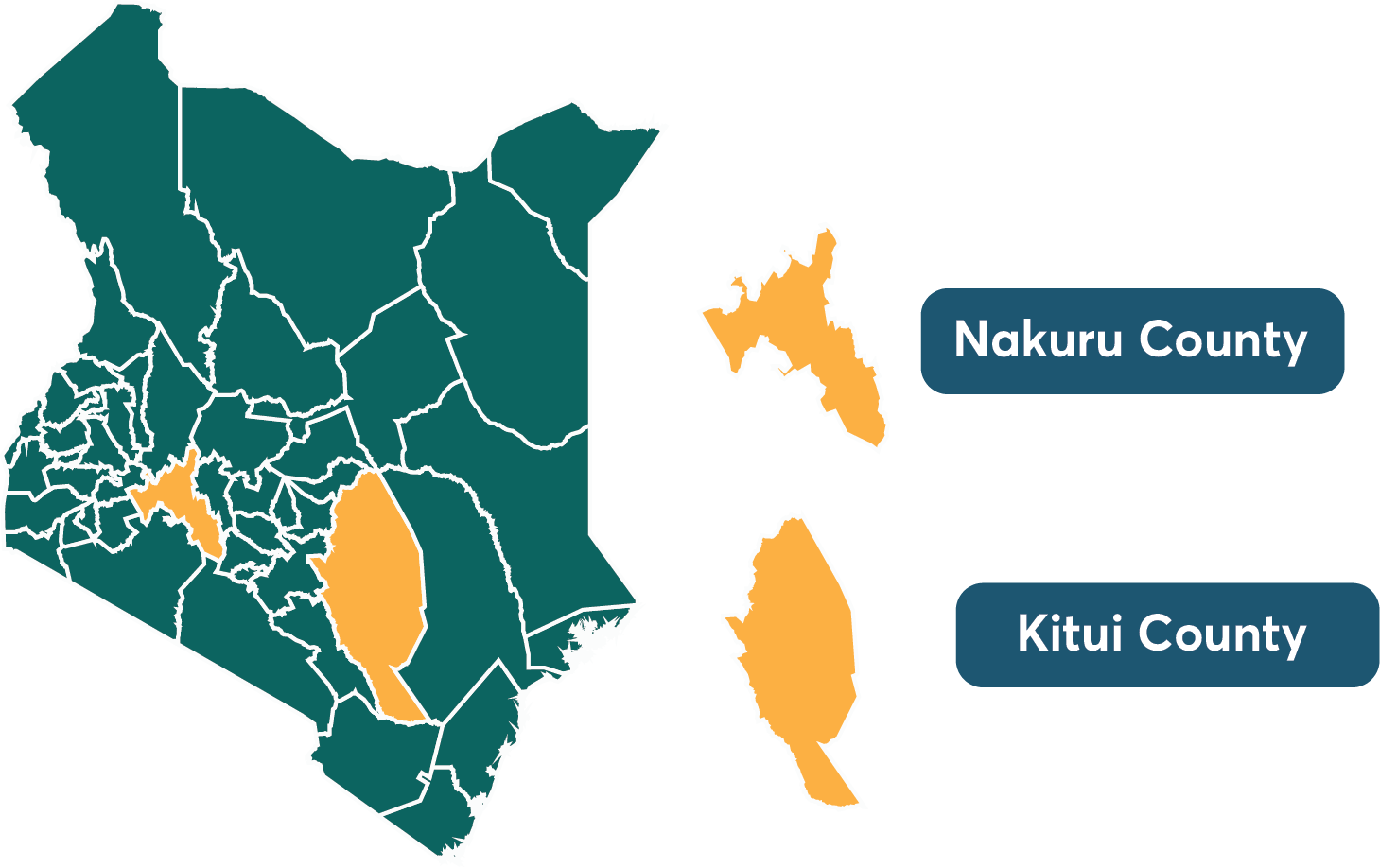
The Project aims to promote selected agroecology practices to enhance food and nutrition, strengthen access to markets and improve resilience of livelihoods by smallholder farmers specifically women and youth in Kitui and Nakuru counties of Kenya.
Objectives
Project Objectives
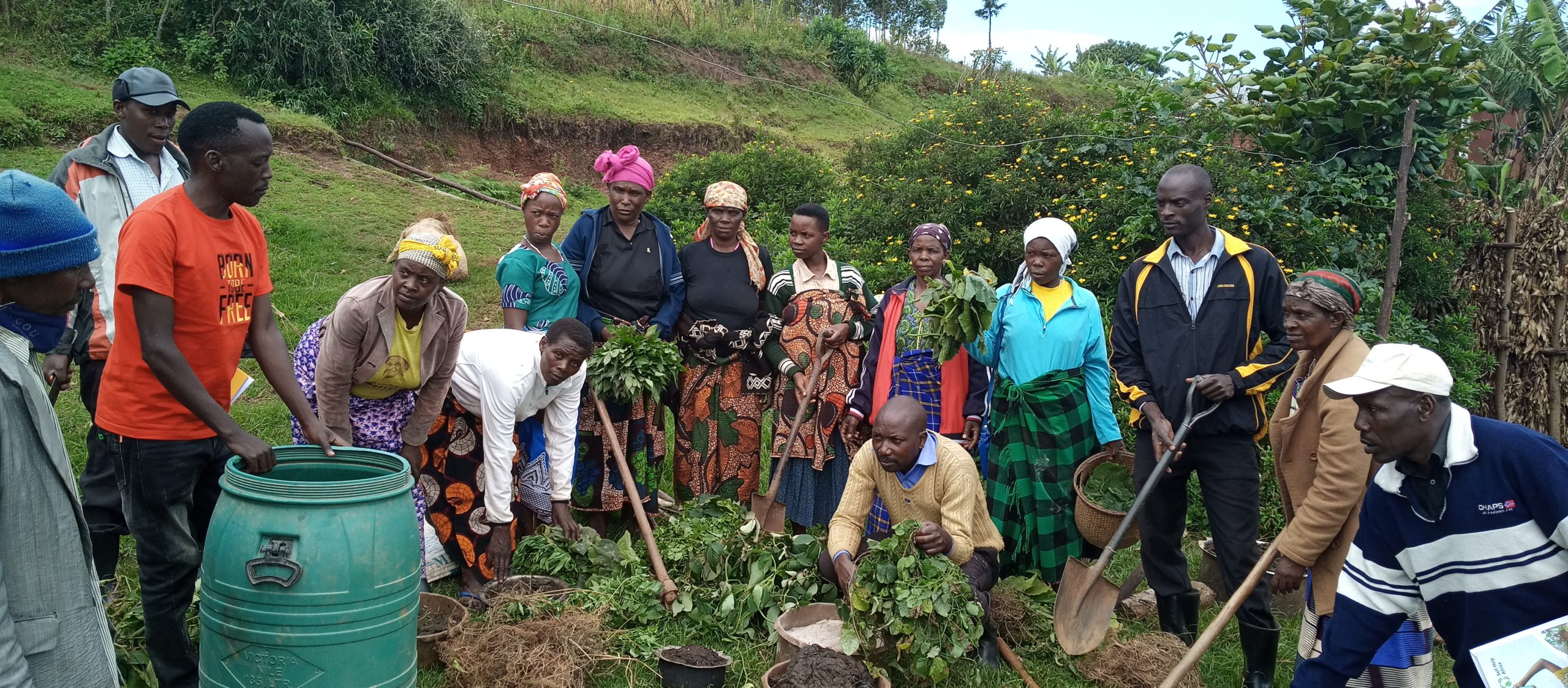
Enhance adoption of agroecological farming practices (agroforestry, water harvesting techniques, soil health management, crop rotation, crop diversification, soil protection, conservation agriculture, etc.) among smallholder women farmers and youth.
Develop a revolving fund scheme of livestock production (small ruminants -improved dairy goats and rabbits) and bee keeping as alternative livelihood sources.
Enhance capability to access and control resources through establishment of local level institutions (VSLAs) for farmers and youth to access financial and market functions/services for supporting agroecological farming transitions.
Enhance access to markets by small holder farmers by supporting existing agroecology-enterprises (SMEs) to off-take farmers produce and ensure farmers are making profits from agroecological farming.
Enhance delivery of project goals and objectives through structured management and monitoring and evaluation.
Strategy
Strategic Interventions
To achieve this objective, BvAT will promote both crop and livestock production through four strategic interventions namely

Indigenous vegetables, legumes, and cereals
Dairy Goats and Rabbits production through a revolving fund approach.
Archived through development of small and medium agro-enterprises development (SMEs)
Achived through Village Savings and Loan Association (VSLA)

Target
Target beneficiaries and implementation
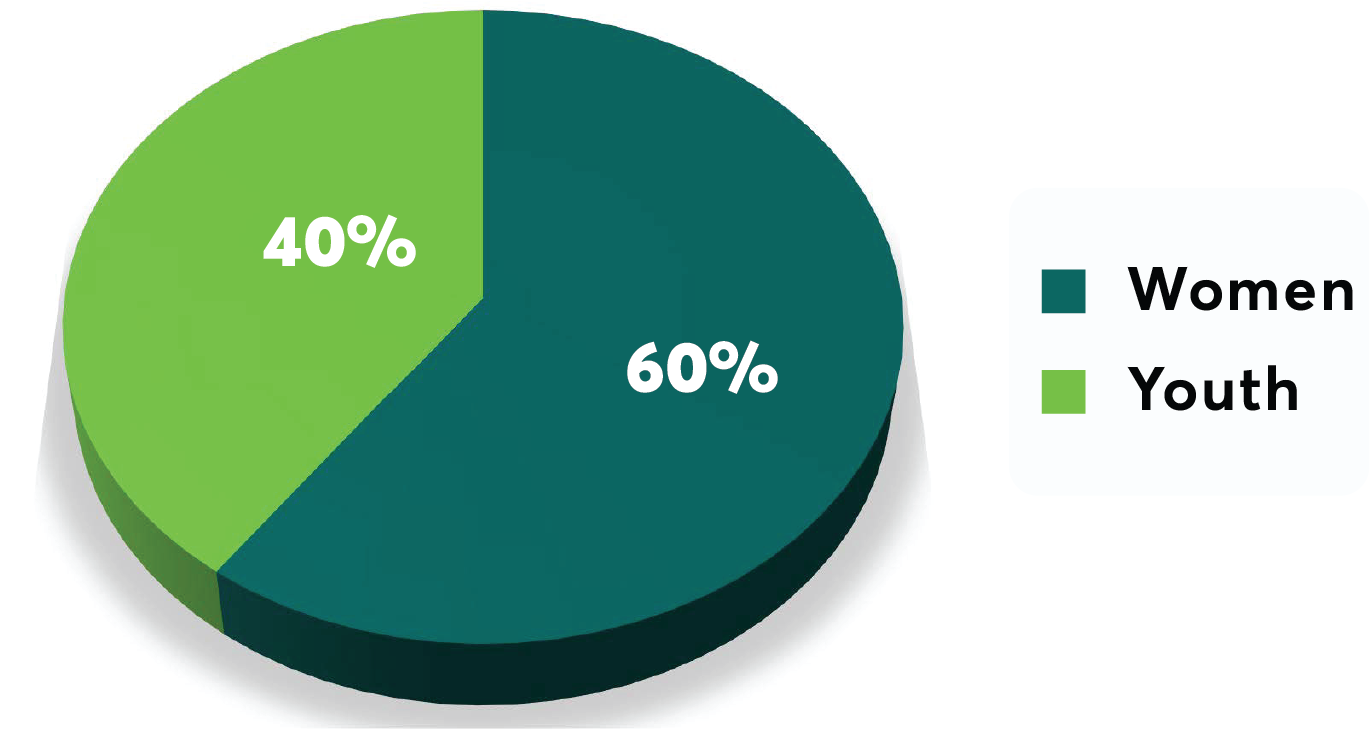
The 3-year project targets to benefit 900 farmers through a multiplier effect by the 3rd year of implementation. Thus, the project will reach 540 women farmers (60%) and 360 youth (40%).